

Depot Insights
RPM Device Logistics: Why Shorter Episodes Multiply Fleet Turns
Medicare now pays for monitoring episodes as short as two days. Every episode you shorten adds a full recover-and-redeploy cycle to your device fleet. Here is the math, and what it means for your depot.
Talk to a SpecialistOn January 1, 2026, Medicare started paying for remote patient monitoring episodes as short as two days. CPT 99445, added in the CY2026 Physician Fee Schedule final rule, reimburses device supply for 2 to 15 days of readings in a 30-day period, at roughly the same rate as the classic 16-day code. Clinically, that is overdue. Operationally, it changes what RPM device logistics has to do: every episode you shorten adds a full recover-and-redeploy cycle to a fleet that used to sit with one patient for a month or more.
The short answer
A monitoring device completes one depot cycle per episode: recover, clean, reset, reconfigure, QA, redeploy. Annual cycles per device = 365 ÷ (episode length + turnaround time). Cut the average episode from 30 days to 10 with a 10-day turnaround and the same device goes from about 9 depot cycles a year to about 18. Your clinical program did not grow. Your logistics workload doubled.
The 16-day rule quietly shaped your device fleet
Until this year, Medicare's device-supply code (CPT 99454) required at least 16 days of transmitted readings in a 30-day period. Programs designed around that floor kept devices in patients' homes for 30, 60, or 90 days. Fleet planning was simple because the fleet barely moved: a blood pressure cuff enrolled in a hypertension program might cycle three or four times a year.
The CY2026 final rule broke that pattern in two places. CPT 99445 makes 2 to 15 day episodes billable at approximately $47, and CPT 99470 reimburses the first 10 to 19 minutes of monthly management time at approximately $26. Short-episode use cases that programs previously absorbed as unbillable, post-discharge checks, medication titration, pre-surgical optimization, are now revenue lines.
The market is following the reimbursement. Grand View Research puts the RPM devices market at $30.9 billion in 2026, on its way to a projected $110.7 billion by 2033, a 20 percent compound annual growth rate. And the demand side keeps expanding: after Congress extended the Acute Hospital Care at Home waiver through September 30, 2030, health systems including Saint Francis in Tulsa (January 2026), Baptist Health Jacksonville (February 2026), and Cleveland Clinic's west side expansion (March 2026) launched or grew programs that all ship connected devices into patient homes.
Every one of those trends points the same direction: more devices, shorter stays, faster turns.

How shorter episodes multiply depot cycles
The math is unforgiving because turnaround time does not shrink when episodes do. Recovering a device from a patient's home, receiving it, cleaning it, resetting it, replacing worn accessories, re-pairing or re-provisioning it, and kitting it for the next patient takes the same number of days whether the patient used it for 8 days or 60.
Annual depot cycles per device = 365 ÷ (episode days + turnaround days)
Fleet utilization = episode days ÷ (episode days + turnaround days)
| Episode length | Turnaround | Cycles per device per year | Fleet utilization |
|---|---|---|---|
| 30 days | 10 days | ~9 | 75% |
| 30 days | 5 days | ~10 | 86% |
| 15 days | 10 days | ~15 | 60% |
| 15 days | 5 days | ~18 | 75% |
| 10 days | 10 days | ~18 | 50% |
| 10 days | 5 days | ~24 | 67% |
Read the third row against the first. Moving from 30-day to 15-day episodes with the same 10-day turnaround adds six depot cycles per device per year, and drops utilization from 75 percent to 60 percent. At 10-day episodes with a 10-day turnaround, half your fleet's life is spent in transit or on a shelf. Shorter episodes make turnaround time a bigger share of every device's year, which means the depot, not the clinic, increasingly sets the economics of the program.
There is a fleet-sizing corollary: devices required = active patients × (1 + turnaround ÷ episode length). A program with 200 concurrent patients on 10-day episodes and a 10-day turnaround needs roughly 400 devices to avoid stockouts. Cut turnaround to 5 days and the same census runs on 300. The turnaround-to-episode ratio is a spare-fleet tax, and short episodes raise the rate.
What RPM device logistics involves at each turn
A turn is not a shipment. Each cycle runs the same four-stage loop we detailed in our hospital-at-home kit logistics post, and it applies to a single cellular blood pressure cuff just as much as a full acute-care kit:
Recover and receive
Get the device back from the patient's home, log it against the program's inventory, and quarantine anything damaged or incomplete.
Clean, reset, and reconfigure
Sanitize to healthcare standards, wipe patient data in a way that supports the technical safeguards required under HIPAA, verify firmware, and re-provision for the next enrollment.
Replace, RMA, and replenish
Swap consumables (cuffs, probes, batteries, cables), file warranty claims on failed units, and keep replacement stock ahead of demand.
Rekit, QA, and redeploy
Confirm the device connects and transmits before it ships, then get it to the next patient fast enough to protect those first billable days.
Under the old 16-day floor, a program could muddle through this loop with a storage room and a part-time technician. At 18 to 24 turns per device per year, exceptions compound: unreturned devices, dead SIMs, mismatched accessories, firmware drift across hardware generations. The loop becomes a production line, and production lines need process discipline, capacity planning, and quality gates.
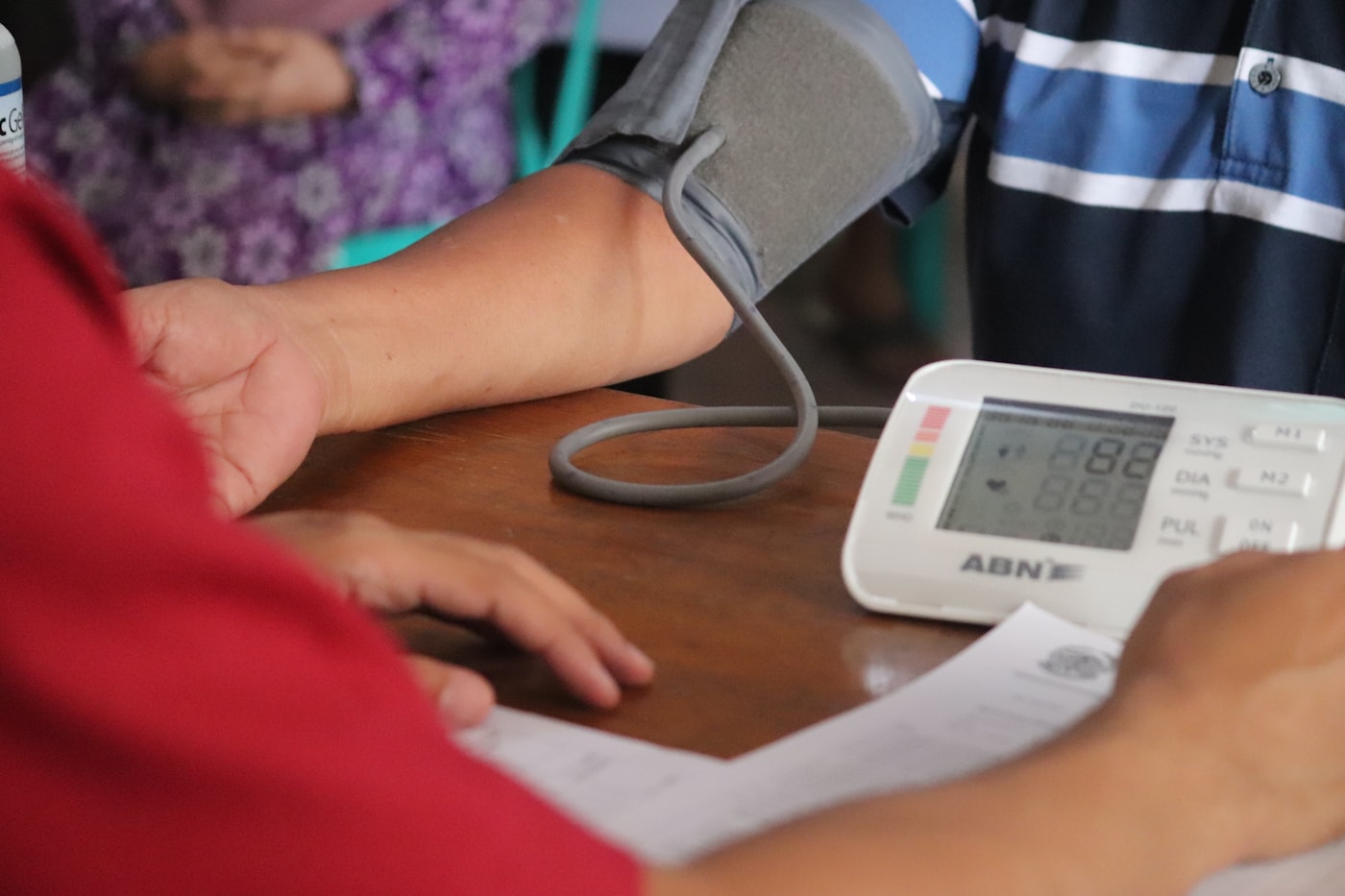
Connectivity is the step that stalls the line
Most RPM devices shipping today are cellular for a reason: Bluetooth-to-app pairing fails on exactly the patients RPM most needs to reach. But cellular devices bring carrier logistics into the depot. Every turn potentially touches SIM state, data plan status, carrier coverage at the next patient's address, and platform enrollment. A device that is clean, kitted, and sitting on a shelf with an inactive SIM is not patient-ready. It just looks patient-ready, and under CPT 99445's short windows, days lost to connectivity troubleshooting are billable days you never get back.
This is where a general 3PL or a device-only repair depot leaves a gap. Reverse logistics vendors move boxes. What short-cycle RPM needs is a partner that can test transmission before shipment, manage carrier plans across AT&T, Verizon, and T-Mobile, and troubleshoot the cellular layer when a device goes quiet in the field. RCN runs hospital-at-home technology logistics as a connectivity-first operation: the same team that provisions, kits, and turns devices also manages the wireless layer inside them, backed by a U.S.-based 24/7 Network Operations Center. We have built our depot practice on more than a decade of provisioning and deploying connected devices, from Cradlepoint routers for mobile health clinics to full patient-care kits.
Know your turns forecast before enrollment grows
An RCN specialist will map your true turnaround time, your projected turns, and your exception rate, and show you what a connectivity-first depot takes off your team's plate.
Talk to a SpecialistSizing the operation for short-cycle RPM
If your program is adding 99445-eligible episodes this year, three numbers deserve a hard look before enrollment grows:
- Your true turnaround time, measured from patient discharge to patient-ready, not from receipt to shelf. Most programs have never measured the first and last legs.
- Your turns forecast: projected episodes per year, which is now your depot's annual throughput requirement, not your device count.
- Your exception rate: the percentage of returns that need an RMA, a missing part, or a connectivity fix. At high turn counts, a 15 percent exception rate is a full-time job by itself.
If the answers are "we do not know," "rising fast," and "higher than we thought," the question is no longer whether the loop gets professionalized. It is whether you build that production line in-house or hand it to a depot partner whose entire job is keeping devices patient-ready.
Frequently asked questions
What is RPM device logistics?
RPM device logistics is the operational loop that keeps remote patient monitoring devices patient-ready: recovering devices from patient homes, cleaning and resetting them, reconfiguring and re-provisioning connectivity, replacing accessories, processing RMAs, and redeploying tested kits to the next enrolled patient.
How did the 2026 CPT codes change RPM logistics?
Effective January 1, 2026, CPT 99445 reimburses device supply for 2 to 15 days of readings in a 30-day period, ending the 16-day minimum as the practical floor for billable episodes. Shorter billable episodes mean each device cycles through the depot more times per year, so logistics workload grows even when patient census does not.
How many devices does an RPM program need?
A working estimate is active patients multiplied by (1 + turnaround days divided by episode days). A 200-patient program running 10-day episodes with a 10-day turnaround needs about 400 devices; cutting turnaround to 5 days brings the same census down to about 300 devices.
When should an RPM program outsource device logistics?
When turns per device climb past roughly 10 per year, when exception handling starts consuming clinical or IT staff time, or when connectivity troubleshooting delays redeployment. A connectivity-first depot partner can test transmission before shipment and manage carrier plans, which a general 3PL typically cannot.
Speak with a Connectivity Expert
Ready to take RPM device logistics off your program’s plate?


Want to Learn More?
Request a custom quote.