

Need Internet for Rural Areas? Here’s What Actually Works
If you’ve ever tried to work, stream, or run a business in a rural area, you know the pain: buffering screens, dropped Zoom calls, and the endless spinning wheel of death. The digital divide is real—and it’s more than just an inconvenience. It’s a barrier to education, commerce, emergency response, and even basic communication.
So, what’s the fix?

Why Traditional Options Fall Short
Most rural internet options boil down to:
DSL (which is being phased out)
Satellite (often unreliable and high-latency)
WISP or microwave (limited coverage and weather-sensitive)
Cable or fiber (if you’re lucky… and it’s available)
The common thread? They’re all tied to fixed infrastructure—and in remote areas, that infrastructure often doesn’t exist.
Instant Internet Virtually Anywhere
Request a PNK Quote
What People Are Turning to Instead: Portable Internet
In the last few years, more rural users are turning to portable internet devices—like mobile hotspots or LTE routers. These let you tap into cellular networks (like Verizon, T-Mobile, or AT&T) to get online anywhere there’s signal. They’re compact, affordable, and flexible.
But
For mission-critical needs—like field work, emergency services, or business continuity—you need something more rugged, more reliable, and built for more than one device.
Meet the PNK
A growing number of organizations are deploying the PNK: a drop-in, battery-powered LTE/5G Pop-Up Network Kit that delivers internet anywhere you can carry it. Think of it as a mobile command center in a box.
Here’s what makes it different:
Works anywhere there’s cellular signal—no cables, no trenching, no waiting.
Built-in battery gives you hours of internet even in power outages.
Wi-Fi & Ethernet ports make it easy to plug in devices or share the connection.
Rugged & portable so you can take it into the field, use it in emergencies, or move it from job site to job site.
Whether you’re a school district trying to provide access during outages, a utility company working in the field, or a family just trying to stay connected, the PNK delivers real internet for rural areas—when and where it matters.
When Would You Use a PNK?
We’re glad you asked. There are a mutlitude of scenarios where the PNK makes sense. Here are just a few:
Natural Disasters
Rural Construction & Utilities
pop-up voting sites
temporary events & installations
Backup Internet for Business
Why It Matters
Access to internet shouldn’t depend on your ZIP code. With more work, learning, and health services moving online, connectivity is no longer a luxury—it’s a necessity. That’s why tools like the PNK aren’t just helpful. They’re essential.
If you’re tired of dead zones and unreliable service, a portable LTE solution like the PNK might be the answer. It’s easy to deploy, fast to connect, and built for the field.
Instant Internet Virtually Anywhere
Request a Quote
You May Also Be Interested In…

POTS Link vs. Peplink POTS Adapter: Which POTS Replacement Is Right for You?
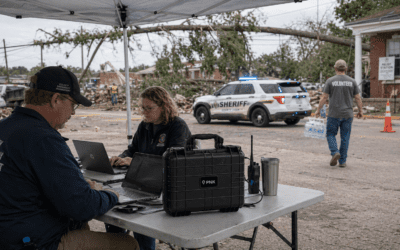
Satellite vs. 5G: Which Wins for Remote and Temporary Sites?
Speak with a Connectivity ExpertReady to deploy one-button connectivity for your mobile blood drives? Want to Learn More? Request a custom quote.
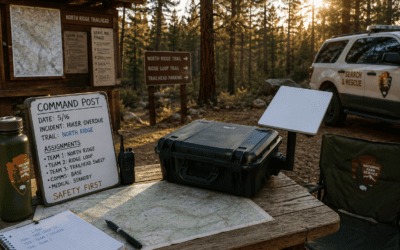
Starlink for NPS Search and Rescue: A Command Network for the Trailhead
Mark Indelicato | Manager, Growth & Analytics at RCN TechnologiesMark leads digital growth strategy and marketing analytics, helping organizations navigate the transition from legacy connectivity to modern wireless and 5G solutions.The call comes in mid-afternoon....