

10 Surprising Benefits of Public WiFi

Written by Megan Kesterson
July 24, 2024
Public WiFi has become an integral part of modern life providing essential connectivity in parks, libraries, cafés, and countless other public spaces. Its influence extends beyond simple internet access enhancing how we work, learn, and interact within our communities. Here are ten surprising benefits of public WiFi that you might not have considered.
1. Emergency Situations
Public Wi-Fi can be a lifeline in emergencies. Whether it’s natural disasters or unexpected events, having access to Wi-Fi enables real-time updates, contact with loved ones, and access to essential services when cellular networks are overloaded.
2. Enabling IoT in Public Spaces
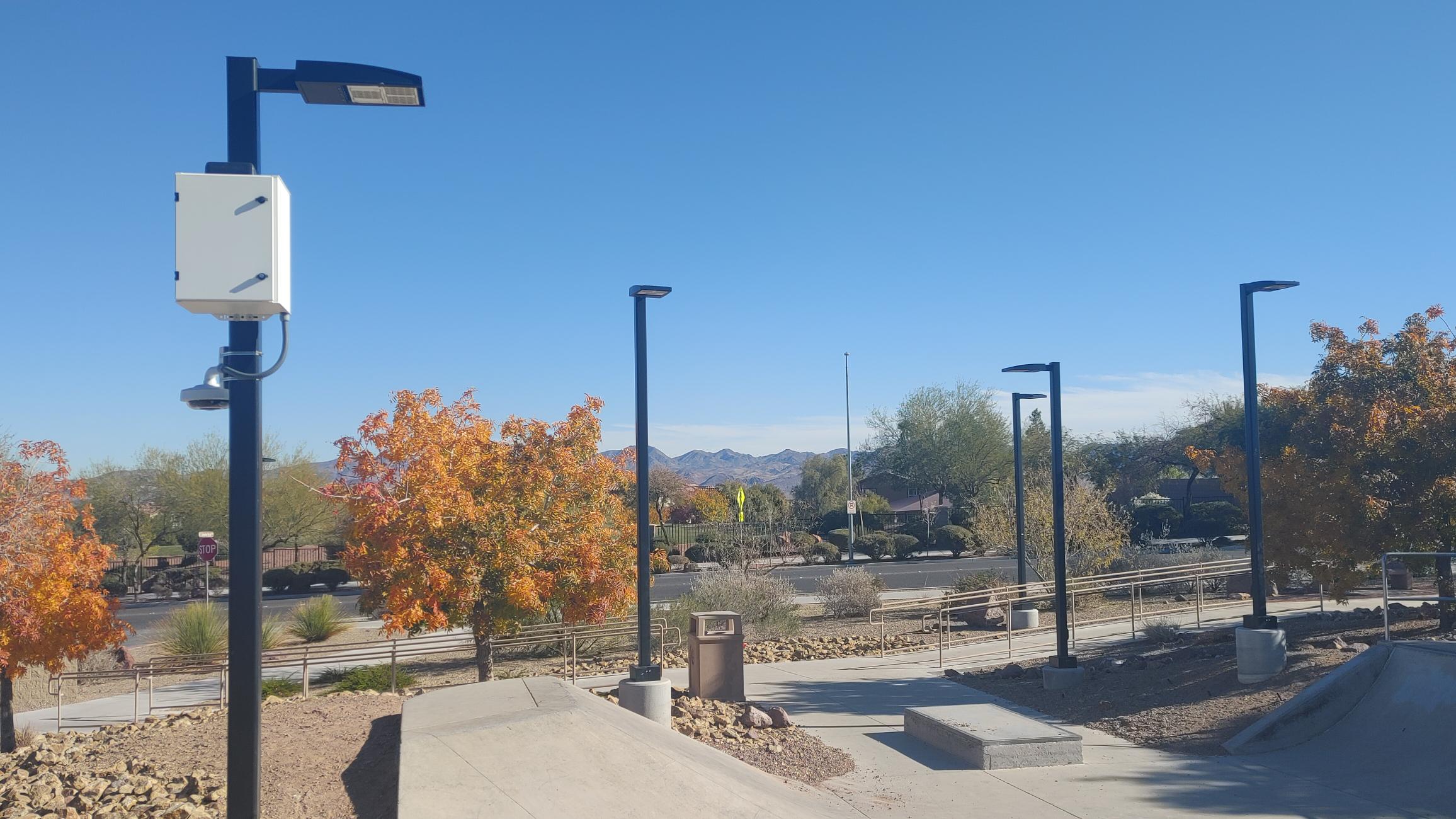
From smart benches that charge your devices to trash bins that notify city services when they’re full, public WiFi supports a range of Internet of Things (IoT) applications that make urban living more convenient and efficient.
3. Reducing Environmental Impact
By supporting smart city applications like traffic management and energy-efficient public lighting, public Wi-Fi contributes to reducing a city’s overall environmental footprint, promoting sustainable urban living.
4. Tourism Development
Tourists rely on public WiFi to navigate new cities, find attractions, and share their experiences on social media, which can boost tourism and promote local culture.
5. Reduces Data Breach Risk
Advanced public WiFi networks, like NERGY, incorporate enhanced security measures that reduce risks compared to unsecured personal hotspots.
6. Boosts Property Value
Areas with extensive public WiFi coverage can see an increase in property values, as connectivity becomes a key factor in real estate desirability.
7. Supports Local Artists & Performers
Public Wi-Fi helps local artists and street performers gain exposure by allowing them to livestream performances and share their work on social media, reaching a broader audience.
8. Fosters Digital Literacy
By providing broader access, public WiFi helps improve digital literacy across diverse populations, equipping more people with the skills needed for today’s economy.
9. Improves Public Health Monitoring
Public WiFi can support health applications that monitor environmental conditions, like air quality, and send alerts, contributing to public health initiatives.
10. Encourages Civic Participation
WiFi in public spaces can increase civic engagement by providing access to online government services and resources leading to more informed and active citizenship.
Conclusion
These 10 benefits plus many other notable additions demonstrate public wifi’s role in the expansion of urban life driving economic growth, and promoting sustainable practices. With innovative solutions like NERGY, communities can utilize the full potential of public connectivity to create a more inclusive, informed, and connected society.
To learn more about NERGY, RCN Technologies public WiFi solution, visit the NERGY page here.
You May Also Be Interested In…

Starlink for NPS Search and Rescue: A Command Network for the Trailhead
Mark Indelicato | Manager, Growth & Analytics at RCN TechnologiesMark leads digital growth strategy and marketing analytics, helping organizations navigate the transition from legacy connectivity to modern wireless and 5G solutions.The call comes in mid-afternoon....

AT&T Commits $19 Billion to California Network Modernization and Announces June 2027 POTS Retirement Timeline
By: Reed Perryman, VP of Sales & Marketing, RCN Technologies Reed Perryman is VP of Sales & Marketing at RCN Technologies with 10 years of experience in POTS line replacement for government agencies, K–12 school districts, and critical infrastructure. He...
Cradlepoint R980 for Mobile Libraries: Bookmobile and Outreach Wi-Fi
Mark Indelicato | Manager, Growth & Analytics at RCN TechnologiesMark leads digital growth strategy and marketing analytics, helping organizations navigate the transition from legacy connectivity to modern wireless and 5G solutions.The bookmobile pulls into a...