


The Role of VoIP in Healthcare
The advent of new technologies has always influenced the way healthcare providers deliver their services, and the rise of Voice over Internet Protocol (VoIP) technology is no different. In this era of rapid digital transformation, VoIP is revolutionizing patient care by enhancing communication within the healthcare sector.
What is VoIP and How Does It Work?
VoIP is a technology that allows voice calls to be made over the internet, rather than through traditional telephone lines, also known as POTS lines. In a VoIP call, the voice signal is converted into digital data packets, transmitted over the internet, and then reassembled and converted back into a voice signal at the other end. The key advantage is that VoIP can offer high-quality, reliable voice calls at a lower cost, particularly for long-distance and international calls.
VoIP in Healthcare
In the healthcare sector, effective communication is crucial. Whether it’s clinicians discussing a patient’s care, administrative staff scheduling appointments, or patients contacting their providers, communication forms the backbone of healthcare delivery. VoIP is increasingly being used to streamline and improve these communications, in turn enhancing patient care.
One of the main benefits of VoIP is its flexibility. Unlike POTS lines, VoIP allows calls to be made from a variety of devices, including desk phones, computers, and smartphones. This means that healthcare providers can remain connected wherever they are, improving the continuity of care.
Improving Patient Engagement and Accessibility
VoIP has the potential to greatly enhance patient engagement, a key factor in healthcare outcomes. VoIP systems can easily integrate with other technologies, such as electronic health record (EHR) systems, enabling providers to contact patients directly through the platform, reminding them of appointments, or following up on their care.
VoIP can also make healthcare more accessible. For patients who are housebound, living in remote areas, or unable to travel for other reasons, VoIP can facilitate telemedicine services. This allows patients to consult with healthcare providers from the comfort of their homes, receiving the care they need without having to travel.
Enhancing Collaboration and Efficiency
VoIP technology also improves collaboration among healthcare professionals. Features such as group calls and video conferencing make it easier for multidisciplinary teams to work together, discussing patient care and making decisions collectively. This can lead to more effective treatment plans and better patient outcomes.
Moreover, VoIP can increase efficiency in healthcare settings. Traditional telephone systems can be expensive to install and maintain, especially for large healthcare institutions. VoIP systems, on the other hand, often have lower upfront costs and can be scaled up or down easily, making them a cost-effective solution for healthcare communications.
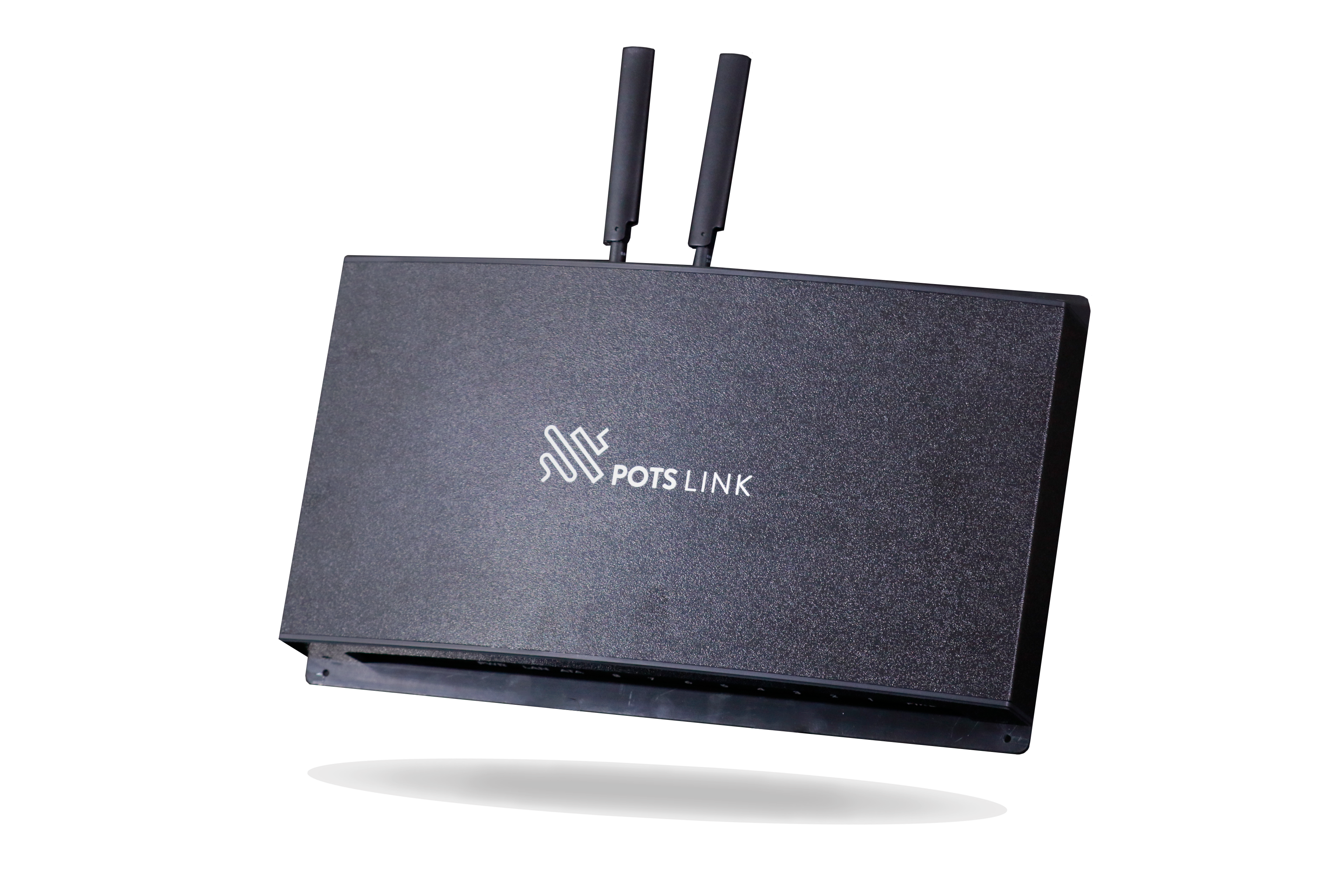
Benefits Include:
Virtually Instant ROI
Reduced Monthly Expenses
No Upfront Costs
Works with Existing Infrastructure
Increases Uptime & Reliability
Real-Time Data Usage Analytics
Conclusion
As technology continues to evolve, so too does the potential for improving healthcare. VoIP is just one example of this, demonstrating how digital transformation can enhance communication, collaboration, and patient care in the healthcare sector. By implementing our POTS Link solution, healthcare providers can enable VoIP applications and reduce their reliance on outdated traditional phone lines.
Continue Reading



Get In Touch
Need to speak with a member of our team?